Link2Pump
  • Solutions
    • Fuel Management Systems
      • Analytics
      • Inventory Management
      • Cloud Connectivity
    • Fuel Pump Controllers
      • Pedestal
      • Mobile
      • Pick Up Truck Application
      • Lube Truck Application
    • Fuel Tax Rebate
      • Information
  • Industries
    • Heavy Construction
    • Mining
    • Landscaping / Golf
    • Municipalities
    • Transportation
    • Agriculture
    • Road Construction
  • Resources
    • Blog
    • Testimonials
    • FAQ
  • About Us
    • Partners
    • Meet the Team
    • Careers
    • Areas We Serve
  • Login
  • Contact Us
  • Menu Menu

Understanding the Cost of Fuel Theft in Mining From a CFO’s Perspective

Overlooking fuel theft can mean significant financial losses, disrupted cash flow, and potential damage to investor confidence. Protecting your fuel supply is more than just an operational decision, it’s about safeguarding your company’s bottom line.

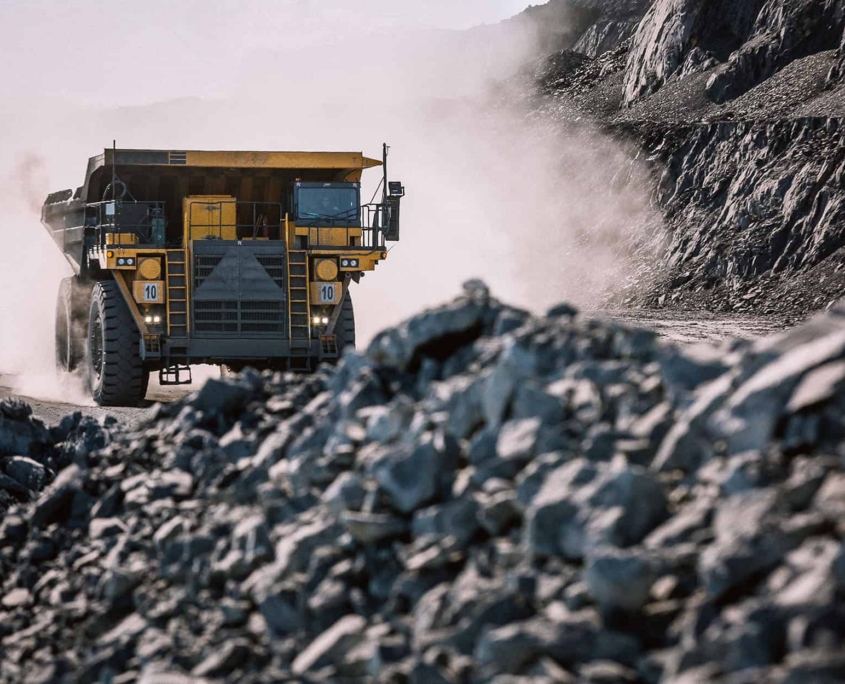
Career dump truck is going to the gold mining range

Why Fuel Theft Is More Than Just an Operational Problem

Fuel theft frequently appears as an operational matter, handled exclusively by site managers or security teams. But CFOs can’t afford to overlook this costly problem, as the consequences reach far beyond operational inconveniences. Fuel theft directly reduces profitability, introduces unexpected variances into financial forecasts, and can weaken investor confidence.

When fuel costs run higher than projected due to undetected theft, your budget forecasts become unreliable. This unpredictability can damage trust with investors, banks, and other stakeholders who rely on accurate financial data. Moreover, unresolved fuel theft erodes margins, limiting your company’s ability to reinvest profits into growth initiatives or operational improvements.

Fuel theft’s financial ripple effects extend beyond the operational sphere, underscoring why CFOs should actively engage in fuel security strategies.

The True Costs of Fuel Theft: A Financial Breakdown

To fully grasp fuel theft’s financial implications, CFOs must examine the direct and indirect costs involved. Here are the costs of fuel theft in detail:

Direct Loss of Fuel

The most immediate cost of fuel theft is the value of stolen fuel itself. Even modest thefts, when frequent, accumulate significantly over time. For large mining fleets consuming thousands of gallons monthly, ongoing theft can quickly add up to substantial financial losses, often going unnoticed until audits or inventories reveal discrepancies.

Unplanned Downtime and Lost Productivity

When fuel is unexpectedly depleted due to theft, your machinery stands idle. Equipment downtime isn’t just inconvenient; it translates into lost productivity, delayed projects, and unmet deadlines. These operational disruptions mean additional overtime expenses, delayed revenue recognition, and penalties for missed contractual obligations.

Inflated Operational Expenses

Fuel theft often forces companies into emergency measures, such as last-minute fuel deliveries at premium costs, expedited transportation, or additional security personnel. These unplanned expenses inflate operating costs, further squeezing profit margins and complicating financial management.

Reputational Damage and Reduced Investor Confidence

Beyond immediate financial implications, repeated fuel theft incidents can damage your company’s reputation. Stakeholders and investors rely heavily on stable operational management and predictable financial performance. Frequent theft incidents can erode their confidence, harming long-term investor relationships and limiting growth opportunities.

In short, the financial ramifications of fuel theft reach far beyond direct fuel losses. CFOs who recognize this can proactively protect their organizations from these extensive, hidden financial drains.

How Much Money Is Fuel Theft Costing Mining Companies Each Year?

Fuel theft is notoriously challenging to quantify precisely, but industry data reveals substantial financial losses. In the mining sector alone, global losses attributed to fuel theft regularly total millions of dollars annually. Studies estimate that fuel theft can increase operational fuel costs by up to 10-15% per year for vulnerable sites.

Consider a hypothetical mining company spending $5 million annually on fuel. A theft rate of 5% equates to $250,000 annually in direct losses. Add the cost of downtime, emergency fuel deliveries, administrative overhead, and reputational harm, and the total loss or financial impact can reach 1 million per year.

These numbers clearly demonstrate the severity of fuel theft’s impact. CFOs tasked with safeguarding profitability must recognize that fuel theft isn’t merely an operational concern—it’s a financial crisis demanding immediate attention.

The Financial ROI of Investing in Fuel Theft Prevention

While the costs of fuel theft are significant, the good news is that proactive investments in fuel security deliver clear, measurable returns. Implementing comprehensive fuel security measures—such as real-time monitoring, automated alerts, and integrated reporting systems—directly reduces theft, quickly generating positive financial outcomes.

Effective fuel security systems typically pay for themselves within months. By immediately curbing fuel losses, these systems provide rapid ROI through reduced operational costs, predictable budgets, and enhanced productivity due to minimized downtime.

For example, consider a mining operation that previously lost approximately $200,000 annually in stolen fuel. After investing $50,000 in automated fuel management and security systems, the company successfully reduced theft by 90%. This represents an annual savings of $180,000, yielding a significant ROI within the first year. Beyond direct savings, improved operational predictability and investor confidence further compound the value of these investments.

Link2Pump’s advanced fuel management systems deliver measurable ROI by securing your fuel, reducing losses, and protecting profits. Discover how we can safeguard your mining operation today.

Our Fuel Management Systems

Why CFOs Should Prioritize Operational Fuel Security

Given the substantial financial implications, CFOs must prioritize fuel security—not just to manage operational risks but to protect the broader financial health of their organizations. Fuel theft represents a critical financial risk that, left unchecked, undermines profitability, accuracy of financial planning, and stakeholder confidence.

By proactively addressing fuel theft, CFOs achieve several key financial benefits:

  • Improved Financial Forecasting: Accurate fuel usage data leads to more reliable financial planning, budgeting, and cash flow management.
  • Stable Cash Flow: Predictable operational costs ensure consistent cash flow, reducing the need for emergency funding measures or costly borrowing.
  • Strengthened Investor Confidence: Demonstrating effective cost controls and risk management reassures stakeholders, enhancing your company’s overall credibility and investment appeal.

Steps CFOs Can Take Today to Address Fuel Theft

To effectively manage fuel theft’s financial risks, CFOs should take clear, actionable steps:

  • Assess Vulnerabilities: Evaluate current fuel management practices, identify theft-prone areas, and calculate potential financial exposure.
  • Allocate Budget Strategically: Prioritize budget resources toward robust fuel monitoring and security solutions that demonstrate clear ROI.
  • Implement Automated Systems: Deploy real-time fuel tracking and reporting systems that alert management immediately upon detecting unusual activity.
  • Collaborate Cross-Functionally: Work closely with operational teams to integrate financial oversight into ongoing fuel security initiatives, ensuring continuous alignment between operational and financial objectives.

Invest in Comprehensive Fuel Security With Link2Pump

Ready to safeguard your mining operation’s bottom line? Contact Link2Pump today and discover how our advanced solutions deliver immediate financial impact and long-term profitability.

Share This Post

  • Share on Facebook
  • Share on X
  • Share on WhatsApp
  • Share on Pinterest
  • Share on LinkedIn
  • Share on Tumblr
  • Share on Vk
  • Share on Reddit
  • Share by Mail

More Like This

Excavator loading dumper truck on mining site stock photo

Fuel Security in Mining: How to Create an Air-Tight Plan

Fuel Security
https://www.link2pump.com/wp-content/uploads/2025/07/Excavator-loading-dumper-truck-on-mining-site-stock-photo.jpg 1250 2000 Abstrakt Marketing https://www.link2pump.com/wp-content/uploads/2025/08/link2pump-Logo-1.png Abstrakt Marketing2025-07-28 09:54:232026-05-17 13:30:35Fuel Security in Mining: How to Create an Air-Tight Plan

Categories

  • All
  • Events
  • Fleet Management
  • Fleet Optimization
  • Fuel Compliance
  • Fuel Inventory Management
  • Fuel Management Systems
  • Fuel Pump Controllers
  • Fuel Security
  • Fuel Tax Management
  • Fuel Tax Rebate
  • Fuel Theft Prevention
  • Golf Course Management
  • Hardware
  • Heavy Construction
  • Landscaping Fuel Management
  • Mining
  • Miscellaneous
  • Municipalities
  • News
  • partner logos
  • products
  • Road Construction
  • Software

Contact Us

"*" indicates required fields

This field is for validation purposes and should be left unchanged.

link2pump offers fuel management systems that allow business to move from the clipboard to the cloud.

Stay Connected

  • Link to Facebook
  • Link to LinkedIn
  • Link to Instagram
  • Link to Youtube

What We Do

Fuel Management Systems

Fuel Pump Controllers

Fuel Tax Rebate

Industries

Contact Us

(561) 486-5961

contactus@link2pump.com


Website by Abstrakt Marketing Group ©
  • Privacy Policy
  • Sitemap
  • Linkedin
  • Facebook
Scroll to top Scroll to top Scroll to top

This site uses cookies. By continuing to browse the site, you are agreeing to our use of cookies.

AcceptLearn more

Cookie and Privacy Settings


How we use cookies

We may request cookies to be set on your device. We use cookies to let us know when you visit our websites, how you interact with us, to enrich your user experience, and to customize your relationship with our website.

Click on the different category headings to find out more. You can also change some of your preferences. Note that blocking some types of cookies may impact your experience on our websites and the services we are able to offer.

Essential Website Cookies

These cookies are strictly necessary to provide you with services available through our website and to use some of its features.

Because these cookies are strictly necessary to deliver the website, refusing them will have impact how our site functions. You always can block or delete cookies by changing your browser settings and force blocking all cookies on this website. But this will always prompt you to accept/refuse cookies when revisiting our site.

We fully respect if you want to refuse cookies but to avoid asking you again and again kindly allow us to store a cookie for that. You are free to opt out any time or opt in for other cookies to get a better experience. If you refuse cookies we will remove all set cookies in our domain.

We provide you with a list of stored cookies on your computer in our domain so you can check what we stored. Due to security reasons we are not able to show or modify cookies from other domains. You can check these in your browser security settings.

Other external services

We also use different external services like Google Webfonts, Google Maps, and external Video providers. Since these providers may collect personal data like your IP address we allow you to block them here. Please be aware that this might heavily reduce the functionality and appearance of our site. Changes will take effect once you reload the page.

Google Webfont Settings:

Google Map Settings:

Google reCaptcha Settings:

Vimeo and Youtube video embeds:

Accept settingsHide notification only