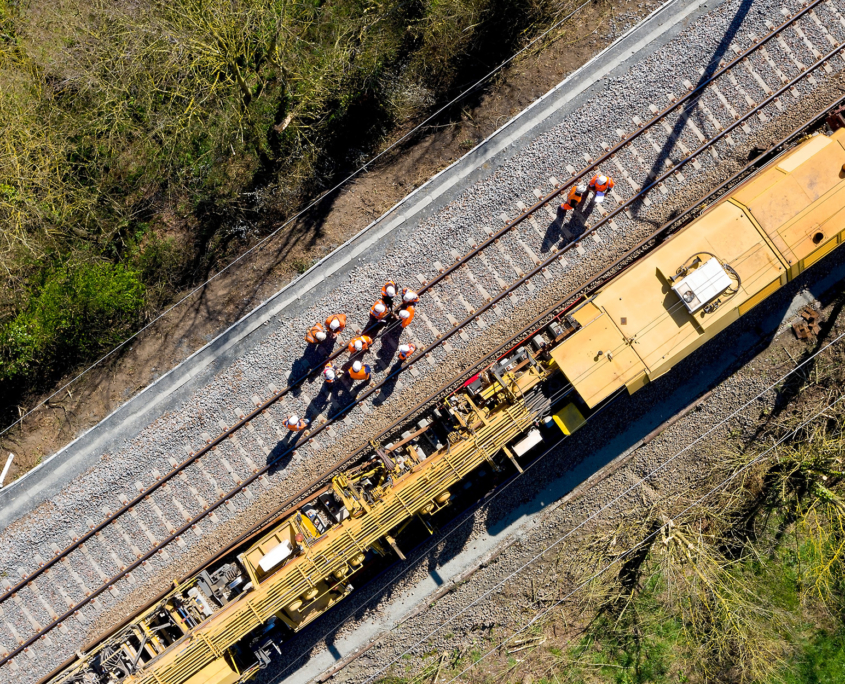
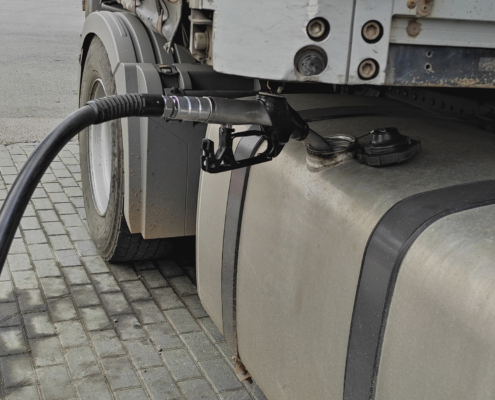
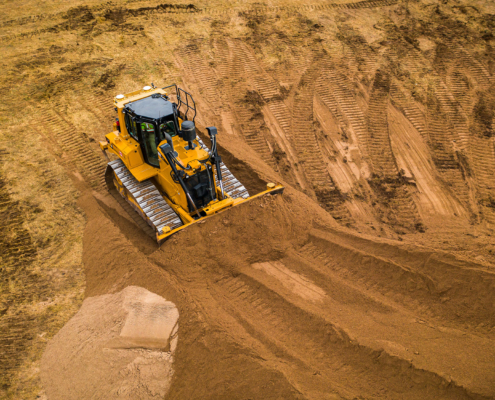
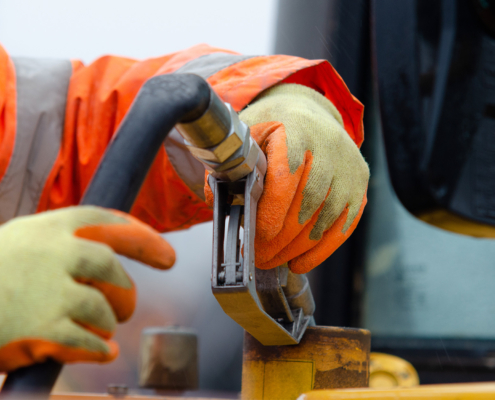
Fuel challenges in rail and public infrastructure projects tend to surface in consistent ways, regardless of project size or location.
One of the most common issues is limited visibility across sites. When fuel usage is tracked manually or logged separately at each location, it becomes nearly impossible to see the full picture. Managers may know how much fuel was purchased, but not where it actually went.
Manual tracking and delayed reporting also create gaps. Paper logs and spreadsheets are prone to errors, lost entries, and inconsistent data. By the time discrepancies appear, the opportunity to correct them has passed.
Fuel loss and unauthorized usage are additional concerns. Remote fuel tanks and shared access increase the risk of misuse or theft, especially when access controls are minimal.
Finally, disconnects between fuel data and equipment activity make analysis difficult. Without tying fuel usage to specific assets or crews, inefficiencies remain hidden.