Link2Pump
  • Solutions
    • Fuel Management Systems
      • Analytics
      • Inventory Management
      • Cloud Connectivity
    • Fuel Pump Controllers
      • Pedestal
      • Mobile
      • Pick Up Truck Application
      • Lube Truck Application
    • Fuel Tax Rebate
      • Information
  • Industries
    • Heavy Construction
    • Mining
    • Landscaping / Golf
    • Municipalities
    • Transportation
    • Agriculture
    • Road Construction
  • Resources
    • Blog
    • Testimonials
    • FAQ
  • About Us
    • Partners
    • Meet the Team
    • Careers
    • Areas We Serve
  • Login
  • Contact Us
  • Menu Menu

The Hidden Costs of Poor Mining Fuel Management (and How to Stop Them)

Fuel is one of the largest costs in mining, but many companies underestimate how much money slips away due to poor management. Small inefficiencies, unauthorized fuel use, and machinery idling might seem minor, but they quickly become costly problems. By uncovering these hidden expenses, mining operators can stop the waste, control their costs, and improve overall profitability.

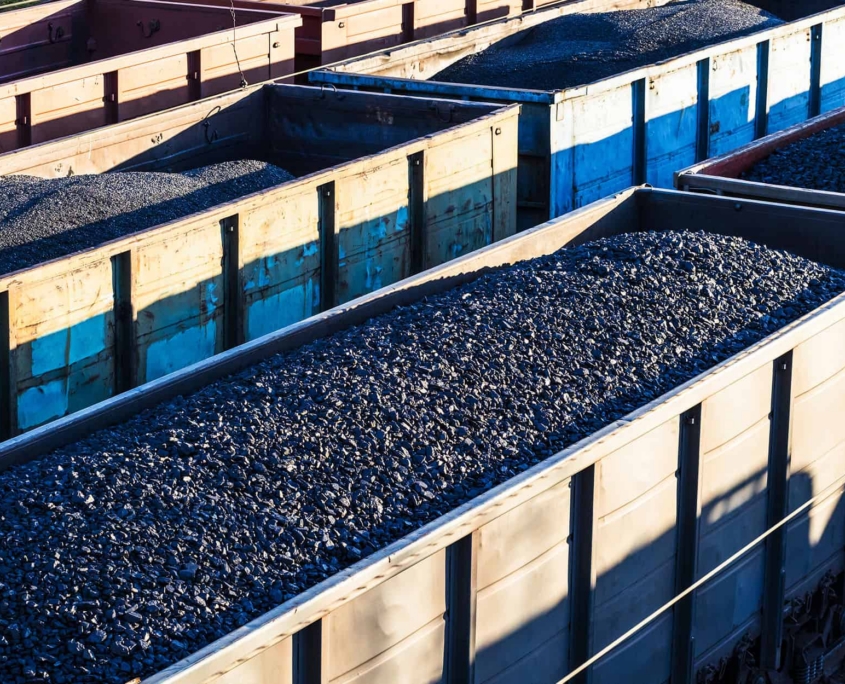
transportation of coal in freight railway cars

Understanding the Costs of Poor Mining Fuel Management

Poor fuel management isn’t just an inconvenience—it’s a direct threat to your mining operation’s bottom line. Every gallon of fuel that isn’t used effectively represents wasted money. However, because many losses occur gradually or quietly, they can be easily overlooked.

When heavy machinery, trucks, and generators are running day and night, it’s easy to miss inefficiencies. A few extra minutes of equipment idling, minor fuel spillage, or even small unauthorized withdrawals might seem insignificant at first. But these small inefficiencies compound over days, weeks, and months, becoming massive financial drains.

When mining companies fail to accurately track their fuel usage, they’re essentially operating blindfolded. They might sense that something isn’t right—but without accurate data, pinpointing and addressing the issue becomes nearly impossible.

Identifying Common Sources of Fuel Waste in Mining

To get ahead of hidden costs, it’s crucial to know exactly where fuel waste typically occurs in mining operations. Here are the most common sources of fuel waste and loss:

Excessive Idle Time

One of the biggest hidden costs in mining is equipment’s excessive idle time. Trucks, loaders, excavators, and other heavy machinery often idle between tasks, during shift changes, or while waiting to load or unload. Even a single large mining vehicle can burn several gallons per hour simply by idle time, quickly adding up across a fleet.

Excessive idling not only wastes fuel—it also increases maintenance costs due to unnecessary wear on engines and machinery. Reducing idle time can lead to immediate and significant fuel savings.

Fuel Theft and Unauthorized Withdrawals

Fuel theft is a major issue at mining sites, especially remote ones where security measures might be limited. Unauthorized fuel withdrawals, whether by employees or external parties, can go unnoticed without proper tracking systems in place. The occasional stolen gallon might seem minor, but systematic theft can cost mining companies tens of thousands of dollars annually.

Manual and Inaccurate Fuel Tracking

Many mining companies still rely on manual logs or outdated fuel-tracking methods, making accurate record-keeping nearly impossible. Human error, missing paperwork, and incorrect data entry can lead to significant discrepancies. Without reliable fuel usage data, companies risk miscalculating fuel needs, budgeting incorrectly, or overlooking theft and waste entirely.

These common sources of waste highlight just how easily fuel expenses can spiral out of control. Yet, because they aren’t always obvious or immediate, many companies underestimate their true financial impact.

Recognizing the Hidden Financial Impact of Fuel Loss

Fuel loss often goes unnoticed because it rarely happens all at once. Instead, it builds quietly—small leaks, minor thefts, and routine inefficiencies add up over time. This makes it difficult to quantify unless actively tracked. However, the financial impact is substantial.

Imagine a mining operation spends $1 million per year on fuel. If just 10% of that fuel is lost or wasted—a realistic scenario without proper management—the company loses $100,000 annually. Over five years, that’s half a million dollars of pure waste, money that could have been invested back into operations, equipment upgrades, or hiring.

Beyond direct fuel costs, these inefficiencies also increase operational downtime. Equipment breakdowns caused by unnecessary idling or improper fuel handling lead to maintenance delays, further cutting into profits.

The hidden costs extend even further when considering potential regulatory penalties for environmental violations. Fuel leaks, spills, or incorrect reporting can lead to hefty fines and reputational damage.

Simply put, the costs of poor mining fuel management are far-reaching. Recognizing this reality creates the urgency to take action and improve your fuel-tracking practices.

Why You Need to Consider Implementing Automated Tracking

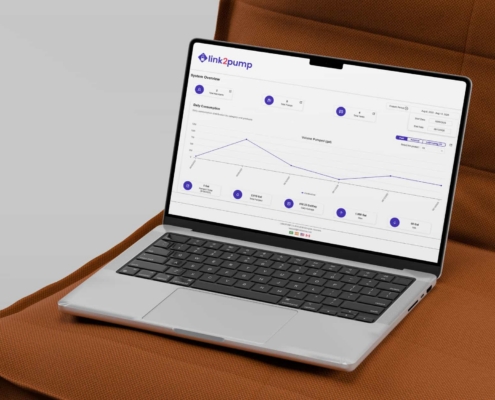
Fortunately, there’s a proven solution to fuel waste and loss: implementing an automated fuel management system. Modern systems provide precise, real-time tracking of fuel usage, significantly reducing waste and increasing efficiency.

Advanced fuel management systems use sensors and tracking devices installed on equipment and storage tanks, automatically capturing fuel data with pinpoint accuracy. They track every gallon of fuel from delivery to consumption, ensuring that nothing slips through unnoticed.

With automated tracking, mining operators receive real-time alerts when anomalies occur—such as sudden drops in fuel levels, unauthorized withdrawals, or excessive idling. These alerts enable rapid responses, preventing ongoing losses and stopping problems before they escalate. Automated systems also provide detailed reports that highlight usage trends, identify inefficiencies, and pinpoint exactly where waste is occurring. Armed with this data, mining companies can take specific corrective actions, such as retraining operators, scheduling maintenance to reduce fuel consumption, or tightening site security.

By replacing outdated manual tracking with automated solutions, mining companies gain complete visibility and control over their fuel use. This not only stops unnecessary fuel loss—it helps build operational efficiency and significantly reduces overall expenses.

Fuel waste doesn’t have to drain your mining operation’s profits. Link2Pump offers advanced fuel management systems specifically tailored to mining, ensuring precise tracking, better cost control, and increased efficiency.

Explore Mining Solutions

How to Improve Your Mining Fuel Management and Reduce Costs

Improving fuel management doesn’t have to be complicated or disruptive. By implementing a few key steps, mining companies can significantly cut fuel-related costs almost immediately.

Step 1: Conduct a Fuel Usage Audit

Start by reviewing existing fuel data—identify areas where the cost of fuel waste seems higher than expected. Look closely at idle times, inconsistent reporting, or unexplained fuel shortages.

Step 2: Invest in Automated Monitoring

Replace manual tracking methods with an automated fuel management system. The initial investment quickly pays for itself through reduced waste and improved operational efficiency.

Step 3: Establish Clear Fuel-Usage Policies

Educate operators and employees on proper fuel management practices, such as reducing idling and reporting suspicious activities. Clear policies help reinforce accountability and awareness.

Taking these proactive steps will allow mining companies to reclaim lost profits and redirect savings into other critical areas, strengthening overall business performance.

The Long-Term ROI of Effective Fuel Management

Some mining operators hesitate to invest in advanced mining fuel management because they worry about upfront costs. But the reality is that automated systems typically pay for themselves quickly—often within the first year of implementation.

Consider the following financial returns:

  • Reduced Fuel Waste: Cutting idle time by just 20% can translate to annual savings of tens or hundreds of thousands of dollars, depending on the size of your fleet.
  • Prevented Theft: Eliminating unauthorized fuel withdrawals through real-time alerts and monitoring can save companies significant amounts annually.
  • Improved Budget Accuracy: Precise tracking simplifies fuel budgeting, preventing overspending and reducing operational surprises.
  • Maintenance Savings: Less idling and optimized equipment use lower maintenance costs, extending machinery life and improving productivity.

When viewed from a long-term perspective, effective fuel management isn’t a cost—it’s a wise investment that ensures ongoing financial and operational stability.

Stop Fuel Waste and Boost Your Profits with Link2Pump

Fuel management isn’t just about tracking fuel—it’s about managing profitability. By proactively addressing hidden fuel costs through automated tracking systems, mining companies can reduce waste, optimize operations, and remain competitive.

It’s time to stop letting hidden fuel costs quietly undermine your business. Recognize the real financial impact, implement automated tracking, and make mining fuel management a core part of your strategy. The payoff will be substantial. If you’re ready to take control of your fuel management, contact Link2Pump today.

Find out how our solutions can transform your mining operation’s bottom line.

Share This Post

  • Share on Facebook
  • Share on X
  • Share on WhatsApp
  • Share on Pinterest
  • Share on LinkedIn
  • Share on Tumblr
  • Share on Vk
  • Share on Reddit
  • Share by Mail

More Like This

IFTA Q4 Filing Deadline: What Fleets Need to Know Before February 2, 2026

Miscellaneous
https://www.link2pump.com/wp-content/uploads/2026/01/IFTA_2026_2000x1250.jpg 1250 2000 Abstrakt Marketing https://www.link2pump.com/wp-content/uploads/2025/08/link2pump-Logo-1.png Abstrakt Marketing2026-01-21 09:23:002026-01-22 10:17:29IFTA Q4 Filing Deadline: What Fleets Need to Know Before February 2, 2026

link2pump is Back at World of Concrete 2026!

Miscellaneous
https://www.link2pump.com/wp-content/uploads/2026/01/Image_World_of_Concrete_2000x1250.jpg 1250 2000 Abstrakt Marketing https://www.link2pump.com/wp-content/uploads/2025/08/link2pump-Logo-1.png Abstrakt Marketing2026-01-19 09:24:002026-01-22 10:12:06link2pump is Back at World of Concrete 2026!

Categories

  • All
  • Events
  • Fleet Management
  • Fleet Optimization
  • Fuel Compliance
  • Fuel Inventory Management
  • Fuel Management Systems
  • Fuel Pump Controllers
  • Fuel Security
  • Fuel Tax Management
  • Fuel Tax Rebate
  • Fuel Theft Prevention
  • Golf Course Management
  • Hardware
  • Heavy Construction
  • Landscaping Fuel Management
  • Mining
  • Miscellaneous
  • Municipalities
  • News
  • partner logos
  • products
  • Road Construction
  • Software

Contact Us

"*" indicates required fields

This field is for validation purposes and should be left unchanged.

link2pump offers fuel management systems that allow business to move from the clipboard to the cloud.

Stay Connected

  • Link to Facebook
  • Link to LinkedIn
  • Link to Instagram
  • Link to Youtube

What We Do

Fuel Management Systems

Fuel Pump Controllers

Fuel Tax Rebate

Industries

Contact Us

(561) 486-5961

contactus@link2pump.com


Website by Abstrakt Marketing Group ©
  • Privacy Policy
  • Sitemap
  • Linkedin
  • Facebook
Scroll to top Scroll to top Scroll to top

This site uses cookies. By continuing to browse the site, you are agreeing to our use of cookies.

AcceptLearn more

Cookie and Privacy Settings


How we use cookies

We may request cookies to be set on your device. We use cookies to let us know when you visit our websites, how you interact with us, to enrich your user experience, and to customize your relationship with our website.

Click on the different category headings to find out more. You can also change some of your preferences. Note that blocking some types of cookies may impact your experience on our websites and the services we are able to offer.

Essential Website Cookies

These cookies are strictly necessary to provide you with services available through our website and to use some of its features.

Because these cookies are strictly necessary to deliver the website, refusing them will have impact how our site functions. You always can block or delete cookies by changing your browser settings and force blocking all cookies on this website. But this will always prompt you to accept/refuse cookies when revisiting our site.

We fully respect if you want to refuse cookies but to avoid asking you again and again kindly allow us to store a cookie for that. You are free to opt out any time or opt in for other cookies to get a better experience. If you refuse cookies we will remove all set cookies in our domain.

We provide you with a list of stored cookies on your computer in our domain so you can check what we stored. Due to security reasons we are not able to show or modify cookies from other domains. You can check these in your browser security settings.

Other external services

We also use different external services like Google Webfonts, Google Maps, and external Video providers. Since these providers may collect personal data like your IP address we allow you to block them here. Please be aware that this might heavily reduce the functionality and appearance of our site. Changes will take effect once you reload the page.

Google Webfont Settings:

Google Map Settings:

Google reCaptcha Settings:

Vimeo and Youtube video embeds:

Accept settingsHide notification only