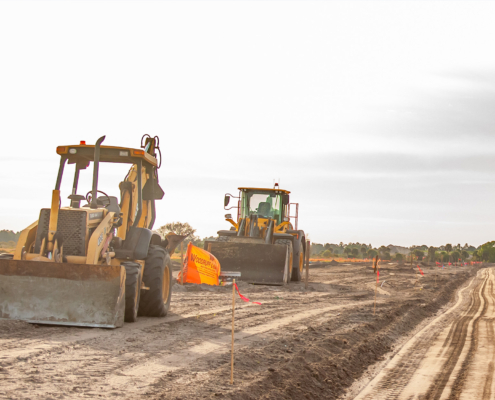
Fuel waste in road construction rarely stems from a single issue. Instead, it’s usually the result of several overlapping problems that reinforce one another.
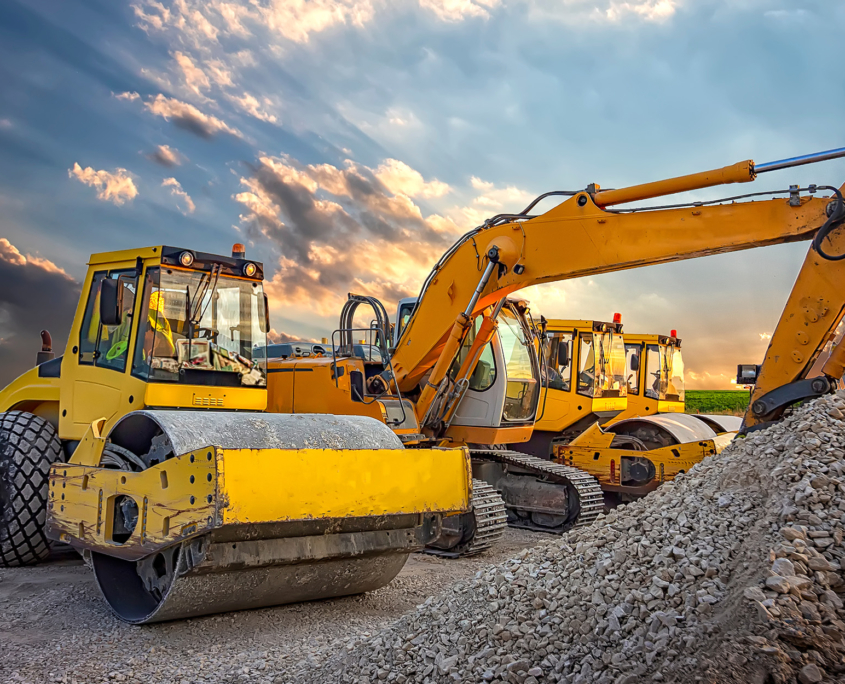
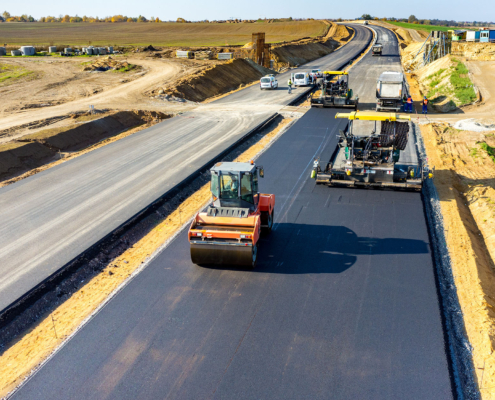
One of the biggest contributors is excessive idling. Heavy equipment such as graders, pavers, and loaders often idle between tasks, during traffic control delays, or while waiting for materials. Over the course of a project, idle time alone can burn thousands of gallons of fuel without producing any value.
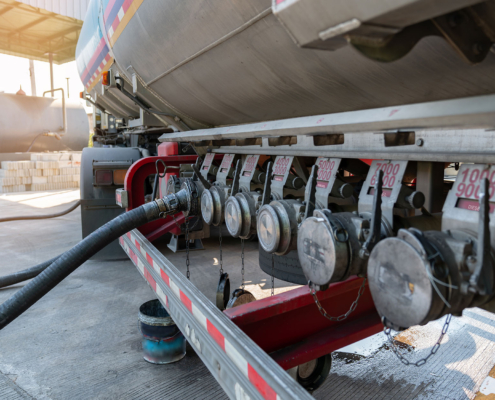
Another major factor is inefficient refueling practices. When operators must travel long distances to refuel or rely on poorly timed deliveries, extra fuel is burned simply getting equipment back to work. Emergency refueling also tends to cost more and disrupt schedules.
Fuel theft and unauthorized use are also common risks on road construction sites. Open-access tanks and limited supervision make it easier for fuel to be siphoned or misused, especially on remote stretches of roadway.
Finally, manual or inaccurate fuel tracking hides all of these issues. Paper logs and delayed reporting make it nearly impossible to spot waste early. By the time discrepancies appear, the fuel—and the money—are already gone.