Link2Pump
  • Products
    • Software
    • Pedestal
    • Mobile
    • Jobsite
  • Industries
    • Heavy Construction
    • Aggregates
    • Transportation
    • Agriculture
    • Landscaping
    • Road Construction
    • Government & Municipalities
  • Solutions
    • Fuel Tracking & Visibility
    • Theft Prevention
    • Fuel Tax Rebate
    • Fleet Card Integration
  • Integrations
  • Resources
    • Case Studies
    • Blog
    • FAQ
    • ROI Calculator
  • About Us
  • Request a Demo
  • Contact
  • Login
  • Menu Menu

Reviewing Rail Industry Fuel Management Challenges

Fuel isn’t just another operating cost. It’s a long-term investment that must be tracked, secured, and reported accurately. Understanding the challenges unique to this sector is the first step toward controlling fuel spend and avoiding unnecessary risk.

Reviewing Rail Industry Fuel Management Challenges

Why Fuel Management Is More Complex in Rail and Public Infrastructure Projects

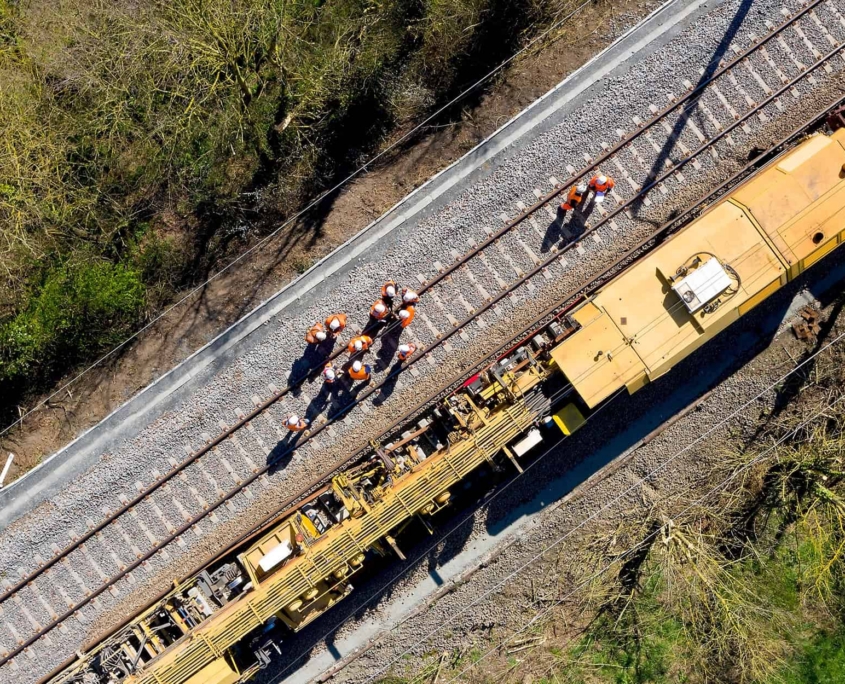
Railway and public infrastructure projects operate at a scale that most private construction jobs don’t. Crews may be working across dozens of miles of track, multiple depots, and temporary staging areas, all while using a mix of locomotives, maintenance vehicles, and heavy equipment.

Fuel is often stored in multiple on-site tanks or delivered to remote locations where oversight is limited. Equipment usage varies by phase, weather, and scheduling constraints, making consumption difficult to predict. On top of that, public infrastructure projects typically involve multiple stakeholders like government agencies, prime contractors, and subcontractors, each with different reporting requirements.

Without centralized fuel oversight, visibility quickly breaks down.

Common Fuel Management Issues on Large Rail Projects

Fuel challenges in rail and public infrastructure projects tend to surface in consistent ways, regardless of project size or location.

One of the most common issues is limited visibility across sites. When fuel usage is tracked manually or logged separately at each location, it becomes nearly impossible to see the full picture. Managers may know how much fuel was purchased, but not where it actually went.

Manual tracking and delayed reporting also create gaps. Paper logs and spreadsheets are prone to errors, lost entries, and inconsistent data. By the time discrepancies appear, the opportunity to correct them has passed.

Fuel loss and unauthorized usage are additional concerns. Remote fuel tanks and shared access increase the risk of misuse or theft, especially when access controls are minimal.

Finally, disconnects between fuel data and equipment activity make analysis difficult. Without tying fuel usage to specific assets or crews, inefficiencies remain hidden.

How Fuel Issues Impact Budgets and Schedules

Fuel management problems don’t just affect accounting: they directly impact project performance.

Over time, untracked fuel loss inflates operating costs and erodes margins. Emergency refueling, unexpected shortages, and wasted fuel all contribute to budget overruns that are difficult to explain to stakeholders.

Scheduling also suffers. When equipment runs out of fuel unexpectedly, crews are forced to pause work while refueling is arranged. On rail projects where access windows are limited and coordination is critical, these delays can ripple through the entire schedule.

Because rail and public infrastructure projects often span multiple years, even small inefficiencies compound. What seems like a minor overage in one month can translate into significant losses over the life of a project.

Compliance and Reporting Pressures in Public Infrastructure

Fuel management in public infrastructure isn’t just about efficiency, it’s also about compliance.

Government-funded rail projects often require detailed reporting on fuel usage, emissions, and environmental impact. Audits are common, and records must be accurate, complete, and easily accessible, sometimes years after fuel was consumed.

Manual systems struggle to meet these expectations. Missing logs, inconsistent formats, and delayed data make audits stressful and time-consuming. Inaccurate reporting can lead to penalties, disputes, or reputational damage.

For long-term projects with multiple contractors, maintaining consistent records across teams becomes even more challenging without automation.

How Automated Fuel Systems Address Rail Industry Fuel Management Challenges

Modern automation has changed how fuel can be managed across large, distributed projects. Rail fuel management systems provide centralized oversight that manual methods simply can’t match.

With automated monitoring, fuel usage is tracked in real time across all locations and tanks. Every dispensing event is logged automatically, creating a consistent, accurate record without relying on human input.

These systems also support alerts for abnormal activity, such as unexpected drops in tank levels or usage outside scheduled hours. This early visibility allows teams to investigate issues before losses escalate.

Most importantly, automation connects fuel data to equipment and site activity. Instead of guessing where fuel went, managers can see how consumption aligns with actual work performed.

Gaining Fleet-Wide Visibility Across Rail and Transportation Projects

Railway projects require a broader view of fuel usage than most construction environments. Transportation fuel management solutions bring data together across fleets, depots, and temporary sites into a single platform.

This centralized view helps project leaders compare usage across locations, identify inefficiencies, and plan fuel deliveries more accurately. It also improves coordination between fueling teams, equipment operators, and suppliers.

With fleet-wide visibility, fuel becomes a managed resource rather than a recurring unknown.

Learn how link2pump supports rail industry fuel management with automated monitoring, centralized reporting, and visibility across public infrastructure projects.

Explore link2pump’s Fuel Management

Can Fuel Automation Deliver Long-Term Savings?

For rail and public infrastructure projects, the value of automation grows over time. Long timelines mean more opportunities for waste—and more opportunities for savings when fuel is properly managed.

Automated fuel systems help reduce waste by identifying inefficiencies early, preventing theft, and improving forecasting. They also reduce administrative workload by eliminating manual logs and simplifying reporting.

Over multi-year projects, these improvements add up. Better fuel control supports tighter budgets, fewer delays, and smoother audits, all while giving project teams confidence in their data.

Modern Technologies Supporting Fuel Visibility

Today’s transportation fuel management solutions often integrate with GPS, telematics, and asset tracking systems. This integration allows fuel usage to be validated against equipment location and activity, strengthening accountability.

Rather than adding complexity, modern systems are designed to simplify workflows. Data flows automatically into dashboards and reports that are easy to review and share with stakeholders.

For teams stretched thin across large projects, this level of automation is less about technology and more about control.

link2pump: Bringing Control to Complex Rail Projects

Fuel doesn’t have to be a blind spot. With the right tools, it becomes one of the most manageable aspects of large-scale infrastructure work.

If you’re managing fuel across complex rail or public infrastructure projects, it’s time for better visibility. Contact link2pump to learn how automated transportation fuel management solutions can help you reduce risk, improve reporting, and maintain control over fuel usage across every site.

Share This Post

  • Share on Facebook
  • Share on X
  • Share on WhatsApp
  • Share on Pinterest
  • Share on LinkedIn
  • Share on Tumblr
  • Share on Vk
  • Share on Reddit
  • Share by Mail

More Like This

Categories

Link2pump Logo White

Stay Connected

Products

Software

Pedestal

Mobile

Jobsite

Solutions

Fuel tracking & visibility

Theft prevention

Fuel tax rebate

Fleet Card Integration

Contact Us

(561) 486-5961

contactus@link2pump.com

support@link2pump.com

Request a Demo

Website by Abstrakt Marketing Group ©
  • Sitemap
  • Privacy Policy
  • Hardware Warranty and RMA Policy
Link to: How Fuel Waste Impacts Road Construction Budgets (And What to Do About It) Link to: How Fuel Waste Impacts Road Construction Budgets (And What to Do About It) How Fuel Waste Impacts Road Construction Budgets (And What to Do About It)How Fuel Waste Impacts Road Construction Budgets And What To Do About It Link to: Signs Your Fuel Tracking is Broken and How to Fix It Link to: Signs Your Fuel Tracking is Broken and How to Fix It Construction Project Foreman Wearing White Hard Hat And Reflective Safety VestSigns Your Fuel Tracking is Broken and How to Fix It
Scroll to top Scroll to top Scroll to top

This site uses cookies. By continuing to browse the site, you are agreeing to our use of cookies.

AcceptLearn more

Cookie and Privacy Settings


How we use cookies

We may request cookies to be set on your device. We use cookies to let us know when you visit our websites, how you interact with us, to enrich your user experience, and to customize your relationship with our website.

Click on the different category headings to find out more. You can also change some of your preferences. Note that blocking some types of cookies may impact your experience on our websites and the services we are able to offer.

Essential Website Cookies

These cookies are strictly necessary to provide you with services available through our website and to use some of its features.

Because these cookies are strictly necessary to deliver the website, refusing them will have impact how our site functions. You always can block or delete cookies by changing your browser settings and force blocking all cookies on this website. But this will always prompt you to accept/refuse cookies when revisiting our site.

We fully respect if you want to refuse cookies but to avoid asking you again and again kindly allow us to store a cookie for that. You are free to opt out any time or opt in for other cookies to get a better experience. If you refuse cookies we will remove all set cookies in our domain.

We provide you with a list of stored cookies on your computer in our domain so you can check what we stored. Due to security reasons we are not able to show or modify cookies from other domains. You can check these in your browser security settings.

Other external services

We also use different external services like Google Webfonts, Google Maps, and external Video providers. Since these providers may collect personal data like your IP address we allow you to block them here. Please be aware that this might heavily reduce the functionality and appearance of our site. Changes will take effect once you reload the page.

Google Webfont Settings:

Google Map Settings:

Google reCaptcha Settings:

Vimeo and Youtube video embeds:

Accept settingsHide notification only